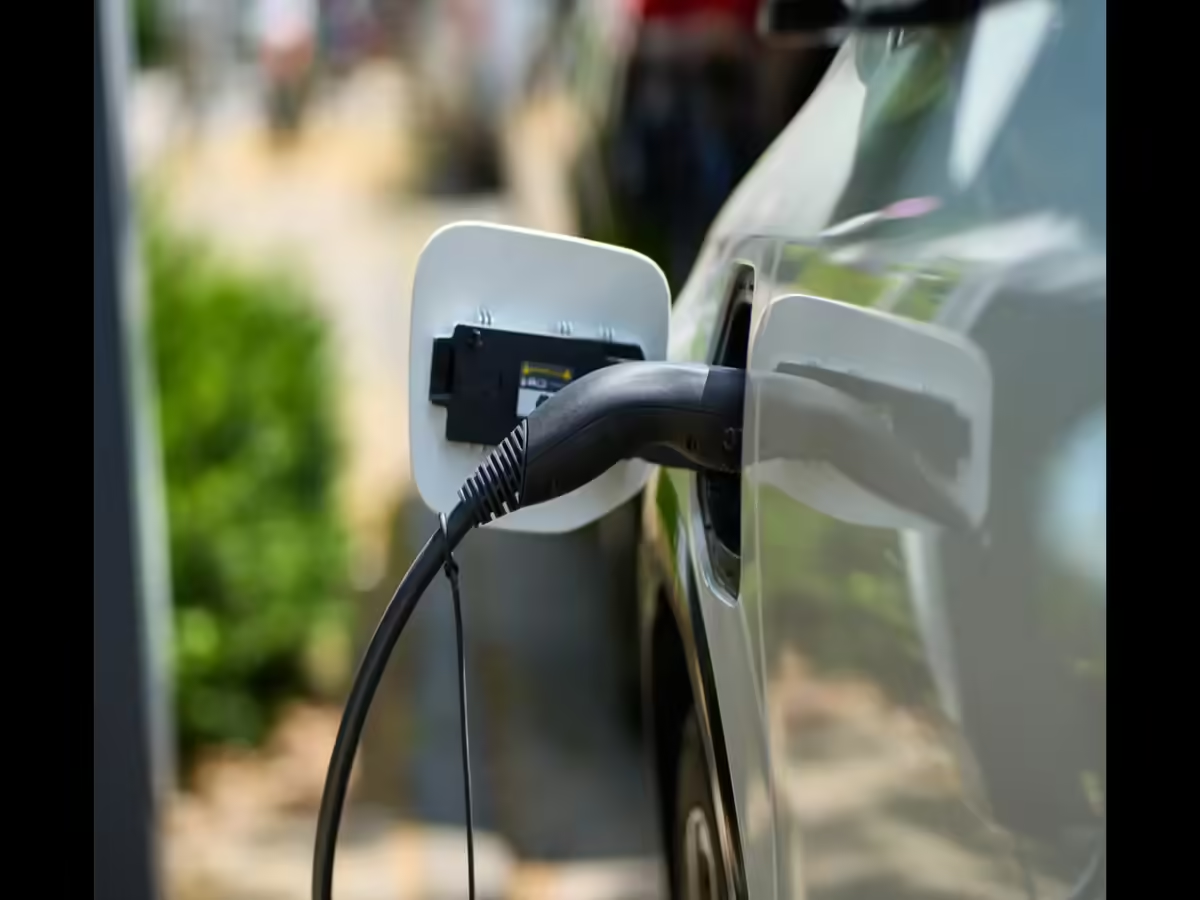
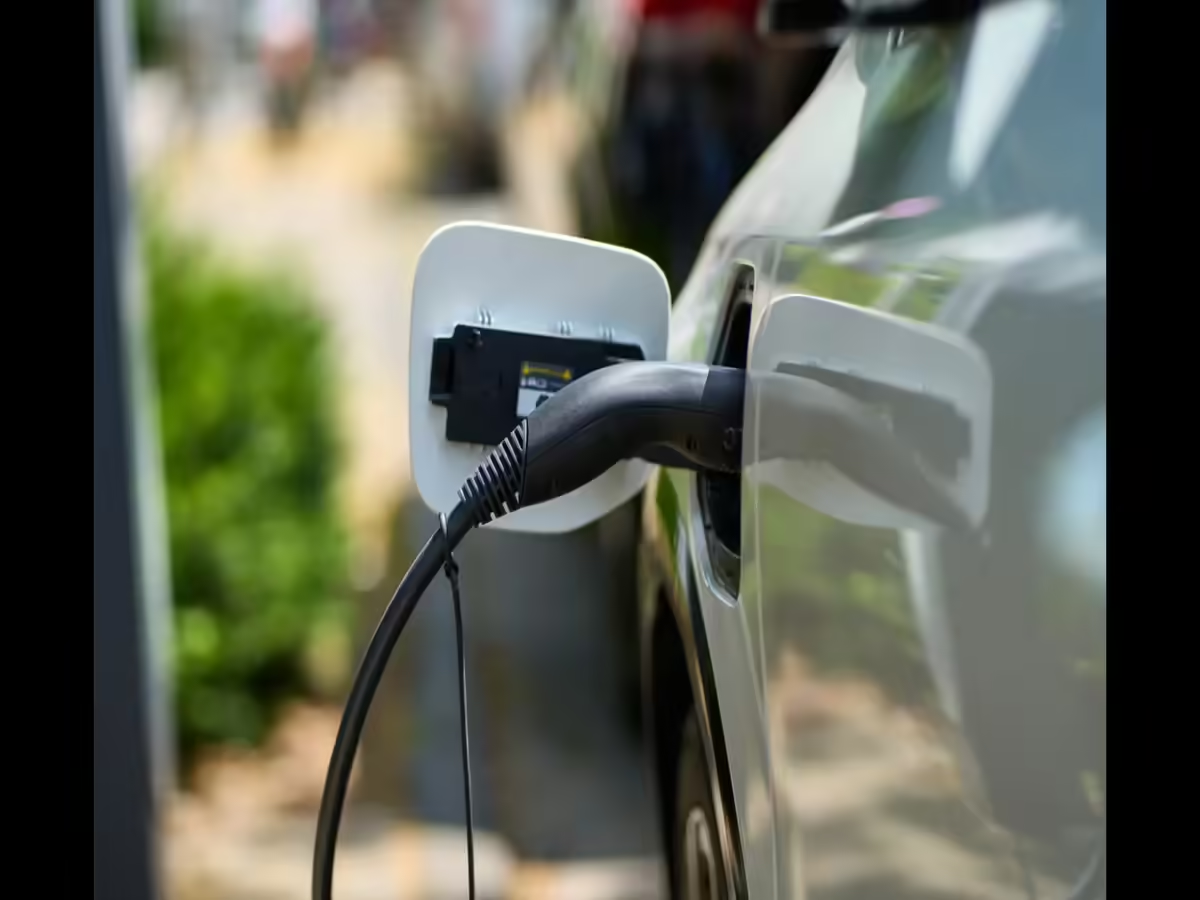
EV demand charges ahead but supply runs low
Companies are struggling to meet orders. Suppliers face manpower shortages and supply chain disruptions. This is impacting production capacity for electric vehicles across the country.
Key Highlights
- Reported by ET Auto on 29 May, 2026.
- Data signals referenced in source include: 15 days.
- Industry participants should monitor next official clarifications and follow-up advisories.
- Consumer decision-making is likely to become more cost-sensitive in the short term.
Strategic Opening
A fresh auto-fuel development has emerged: EV demand charges ahead but supply runs low. The shift is important for near-term mobility costs and purchase behavior in India. Reported data references include 15 days.
Policy and Cost Relevance
This development matters because fuel costs, policy decisions, and vehicle demand cycles directly influence household mobility budgets, freight costs, and near-term auto buying behavior in India.
Sector and Market Angle
Market impact should be tracked through fuel demand trends, inventory movement in key vehicle categories, and any follow-up policy or pricing guidance from authorities and manufacturers.
Execution Watchlist
Watch for official follow-up actions, compliance clarity, revised pricing signals, and further guidance from regulators or industry bodies referenced by ET Auto.
Consumer Lens
Buyers should compare running costs, financing burden, and expected maintenance before making immediate purchase decisions in a volatile pricing window.
Final Takeaway
The near-term signal is clear: policy and fuel movements are now a first-order variable in auto demand, not just a background factor.