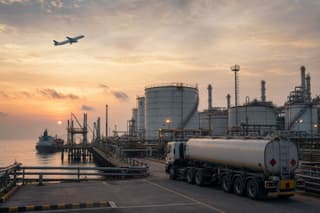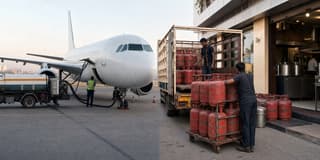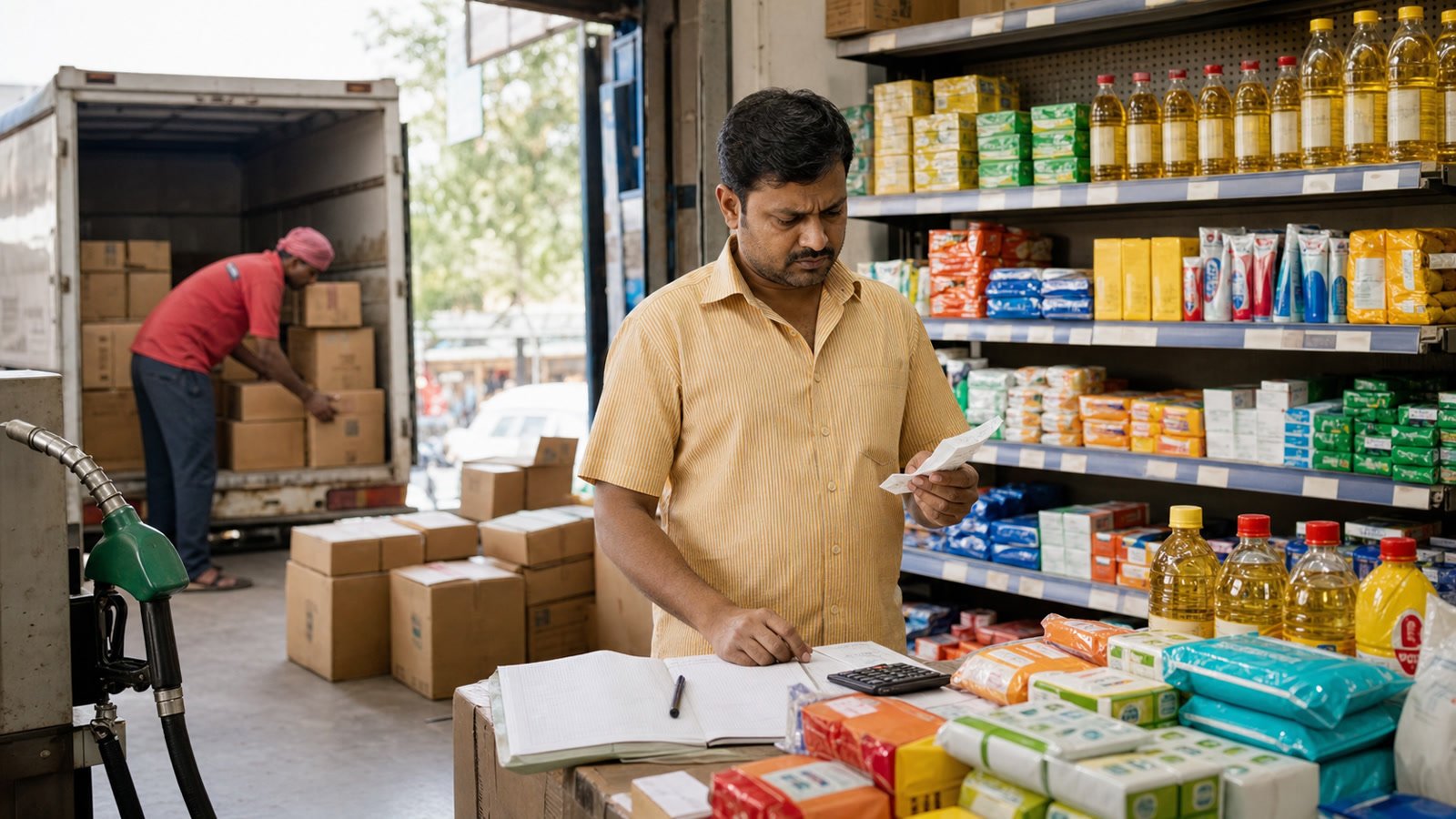
Indian households may soon see a quieter form of fuel inflation: higher prices on daily-use goods. FMCG companies have started raising prices across everyday essentials such as soaps, detergents, toothpaste and edible oils, with increases reported in the 4-11% range. The move follows the fuel-price revision cycle that began in mid-May, when petrol and diesel prices were raised in multiple rounds after a long period of stability.
For FuelPrice readers, this is an important story because it shows how pump prices travel beyond vehicle owners. Even a family that does not drive daily can feel fuel-cost pressure through the grocery basket. Diesel runs freight trucks, local distribution vans, warehouse movement and last-mile supply. Fuel also affects packaging, factory operations and the cost of moving raw materials. When these costs rise together, companies often try to protect margins by revising MRP, reducing promotions, shrinking pack economics, or passing part of the increase to distributors and retailers.
Sponsored
What Has Happened
The Times of India reported on June 12 that FMCG companies are moving ahead with price hikes of 4-11% after the mid-May fuel price rise. The categories named in the report are not luxury purchases; they are core household items. Soaps, detergents and toothpaste are high-repeat products, while edible oil is a major monthly kitchen expense. That makes this price action more visible than a change in discretionary spending, because consumers replenish these goods frequently.
The fuel backdrop explains the timing. Economic Times reported that fuel prices remained elevated after four hikes since mid-May, with petrol and diesel rising by roughly Rs 7.5-8 per litre over that period in major-market context. A separate Lucknow report in Times of India said the city had seen a fifth fuel price hike since May 14, with petrol up by Rs 7.2 per litre and diesel up by Rs 7.55 by May 25. Navbharat Times reported on June 12 that pump prices were stable for the day, but that stability came after the previous month's increases had already lifted the base cost for consumers and transporters.
Why Fuel Prices Affect FMCG Products
FMCG supply chains are built for speed and frequency. A bar of soap or a detergent packet may pass through raw-material suppliers, manufacturing plants, depots, regional distributors, wholesalers, kirana stores, supermarkets and quick-commerce warehouses before reaching the buyer. Each stage has a movement cost. Diesel is the key fuel for medium and heavy commercial vehicles, while petrol and diesel both influence smaller delivery fleets and service movement.
This is why the impact is not limited to one freight bill. A manufacturer may face higher inbound cost for raw materials, higher outbound cost for finished goods, and higher replenishment cost for distributors. Retailers may also see higher local delivery charges or reduced credit flexibility. The result can be a staggered price rise: old stock may sell at older MRP, while fresh stock arrives with a new price or with fewer discounts.
| Cost channel | How fuel pressure enters | What consumers may notice |
|---|---|---|
| Factory to depot freight | Higher diesel cost for long-haul trucks | New MRP on fresh stock |
| Distributor movement | More expensive van and small-truck deliveries | Lower local discounts or faster pass-through |
| Packaging and inputs | Energy and petroleum-linked material costs can move with fuel markets | Pack-size changes or margin pressure |
| Retail replenishment | Higher cost of frequent small deliveries | Price variation between old and new stock |
Who Is Affected First
Urban consumers may notice the change quickly in supermarkets, online grocery platforms and quick-commerce apps because these channels update prices rapidly. Kirana stores may show a mixed picture for a few days or weeks, depending on how much older inventory they hold. Rural and semi-urban markets can also feel the pressure because goods often travel longer distribution chains and depend heavily on road freight.
Small retailers face a difficult balance. If they immediately pass on every increase, customers may reduce basket size or shift to lower-priced alternatives. If they absorb too much, their own margins suffer. Distributors and transporters are also in the middle of the squeeze: fuel expenses are immediate, but price resets, credit terms and retailer acceptance take time.
What Buyers Should Do Now
Consumers should not panic-buy, but they should read prices more carefully. The practical check is not only the printed MRP, but the unit price: cost per kg, litre, gram, wash, or use. A larger pack is not automatically cheaper if the discount has been reduced. Likewise, a smaller pack may protect cash flow but can be more expensive per unit.
For households, the sensible response is to compare old and new stock, watch recurring monthly items, and avoid being pulled only by headline discounts. For transporters, retailers and small food businesses, the signal is broader: fuel costs are feeding into operating costs even when daily pump prices are unchanged. If diesel remains elevated, more categories can see delayed price adjustments.
What To Watch Next
The next watch points are diesel-price stability, crude-oil movement, rupee-dollar trends, edible-oil input prices, packaging costs and company commentary in quarterly updates. If fuel prices soften meaningfully, companies may not immediately roll back MRPs, but promotional offers could return first. If fuel remains high, the 4-11% price band may become a wider household-budget issue rather than a short-term FMCG adjustment.
The reader takeaway is direct: a fuel-price hike is not only a vehicle-running-cost event. It can move through trucks, warehouses, distributors and retail shelves before it appears as a higher grocery bill. The current FMCG price hikes are a reminder that fuel policy and pump prices affect far more than motorists; they shape the cost of daily living.
Sources: Times of India FMCG price-hike report, Economic Times fuel-price context, Navbharat Times June 12 fuel-rate update, Times of India Lucknow fuel-hike report, Times of India oil-company cost-pressure report.