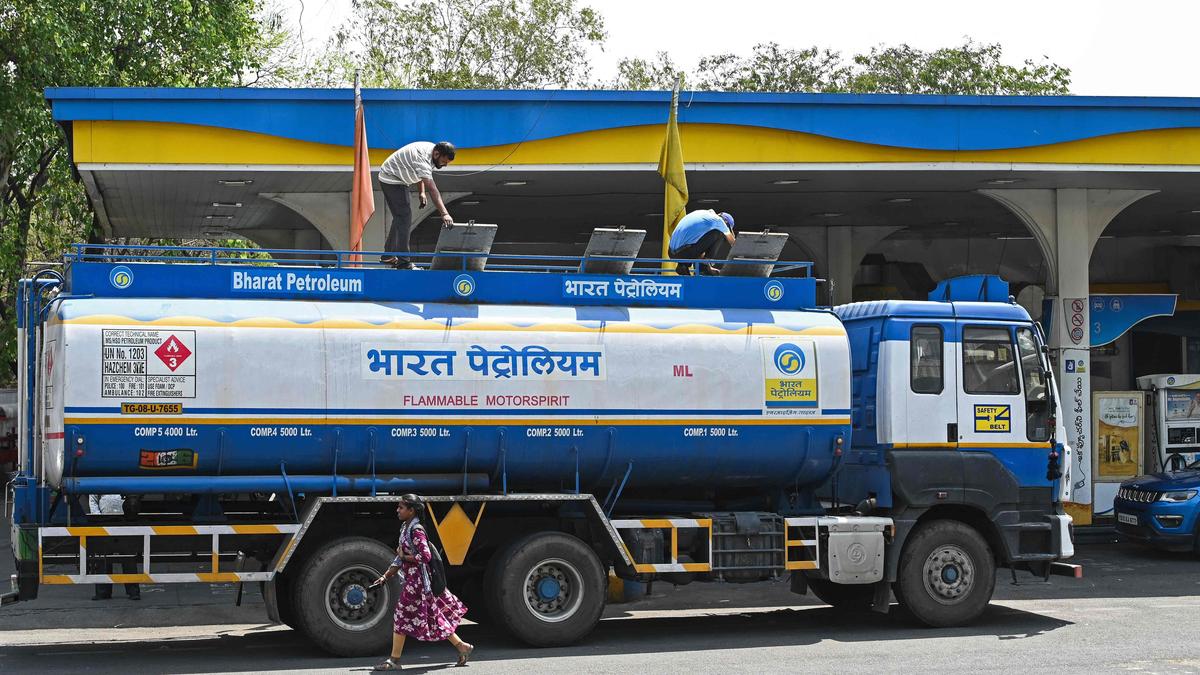
Maersk fuel surcharge update adds a new inland cost layer for India exporters
A high-niche logistics update from Maersk can directly affect freight budgeting in India. The carrier first implemented a 5% Export Fuel Surcharge (EFS) and Import Fuel Surcharge (IFS) on inland routes from 27 May 2026. In a follow-up advisory dated 29 May 2026, it said export-side inland operating pressure had increased further and notified a revised EFS structure for upcoming contract windows.
What changed in two steps
| Date | Advisory action | Effective timeline |
|---|---|---|
| 25 May 2026 advisory | EFS + IFS of 5% on base price for all inland routes | From 27 May 2026 |
| 29 May 2026 advisory | Revised EFS grid for inland export routes (table values published by Maersk) | From 1 June 2026 (NON FMC) and 30 June 2026 (FMC) |
Revised export EFS values published in the 29 May advisory
- RR, CY, 20 DRY: INR 750
- RR, CY, 40 HDRY: INR 1000
- RCO, SD, 20 DRY: INR 1750
- RCO, SD, 40 HDRY: INR 2000
Why this is important for fuel and mobility watchers
This is a clean pass-through signal from fuel-linked inland operations into trade logistics pricing. For exporters and importers, the practical issue is not only the surcharge itself, but the speed of revision within days. It increases cost volatility in route planning, especially for smaller shippers with tighter margins and shorter booking cycles.
Sponsored
- Logistics operators: higher probability of dynamic inland rate adjustments.
- Export businesses: lane-wise costing models need faster refresh during fuel shocks.
- Inflation chain: sustained freight uplifts can eventually feed into downstream delivered prices.