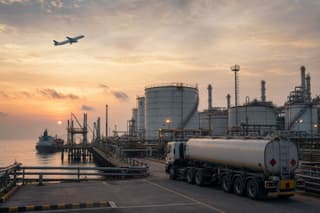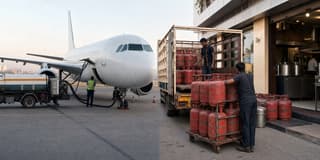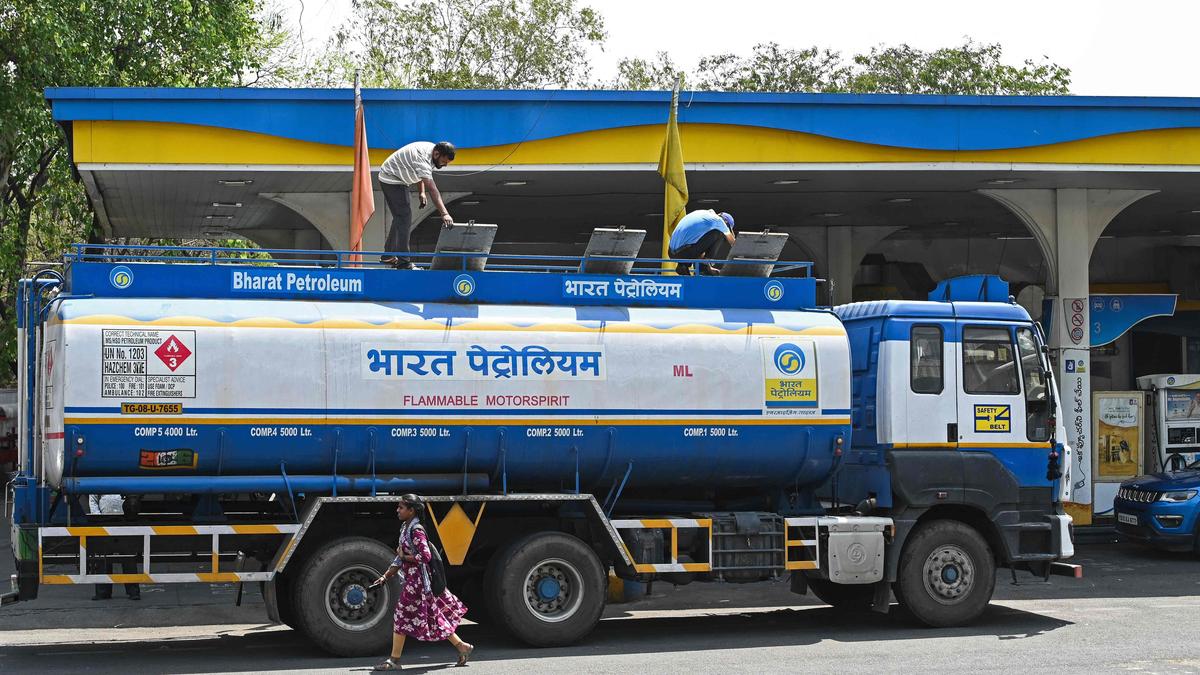
SIMTA seeks relief as diesel hikes tighten the transport cost cycle
India road transport cost pressure has entered another escalation phase. On May 29, 2026, the South India Motor Transporters Association (SIMTA) said it has asked Prime Minister Narendra Modi for immediate relief measures, citing rising diesel costs, weak freight earnings, and severe cash-flow stress for fleet operators.
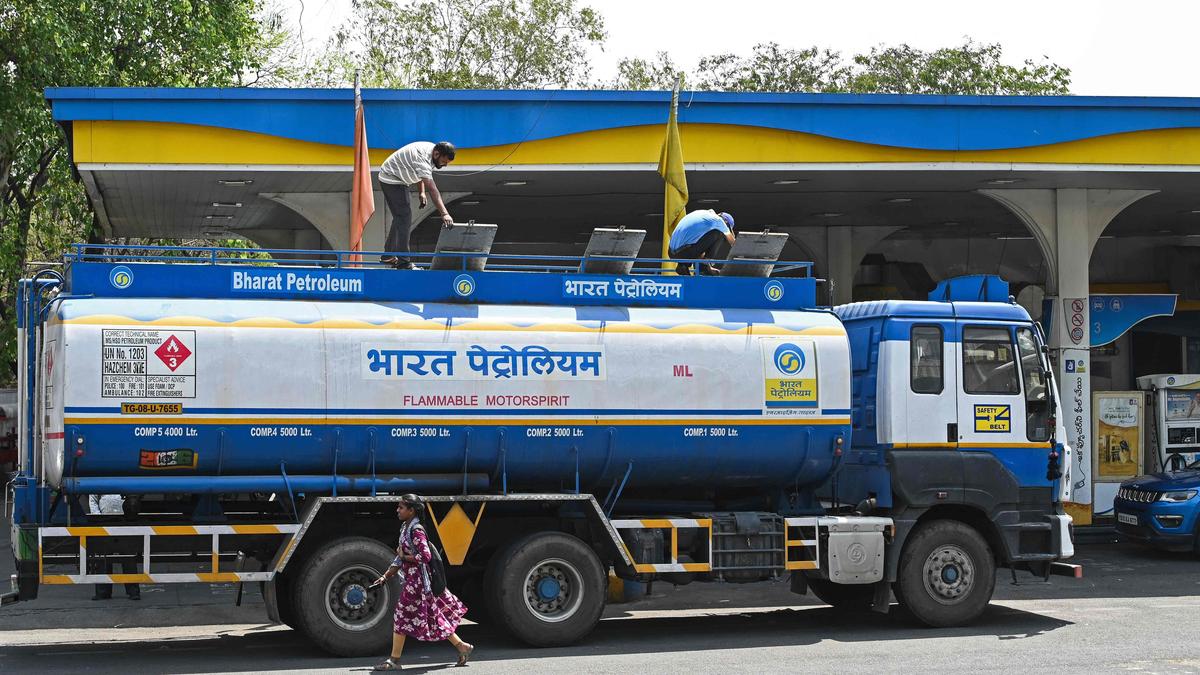
What changed this week
Multiple reports between May 25 and May 29, 2026 show the pressure widening:
Sponsored
- Fuel prices have risen in repeated revisions, with cumulative petrol-diesel increases of about Rs 7.5 per litre since May 15, according to Financial Express coverage.
- Economic Times reported around 20% truck idling in parts of the market and corridor-level freight increases in the 10-15% range in stressed routes.
- SIMTA, in its latest representation, has flagged deeper stress in southern operations and asked for policy relief, including tax-structure support for transporters.
Why this matters beyond transporters
This is not just a fleet-operator margin story. Diesel is a core cost line for road freight, so sustained increases can move through the economy in stages:
- Logistics: route costs rise first on spot and short-haul lanes.
- Supply chains: slower pass-through initially, then step-up revisions in contracts.
- Consumers: higher delivered costs for essentials if freight repricing persists.
Government position and current counter-signal
The Petroleum Ministry said on May 27, 2026 that India has adequate petrol and diesel supply at national level, and described recent stress as linked to channel behavior and localized imbalances rather than an overall supply shortfall. This creates a key divergence for market watchers: official supply assurance versus on-ground cost and access friction reported by operators.
What to watch next
- Whether further retail fuel revisions occur in early June 2026.
- Whether transport associations receive any direct or tax-linked relief response.
- How quickly freight increases transmit into wholesale and consumer prices.
- Whether monsoon-linked demand moderation reduces route-level pressure.
Sources
- The New Indian Express, 29 May 2026: SIMTA representation and relief demand
- The Economic Times, 26 May 2026: truck idling and freight-pressure trends
- Financial Express, 25 May 2026: cumulative fuel-hike trajectory
- PIB (MoPNG), 27 May 2026: national supply assurance and retail-channel discipline advisory