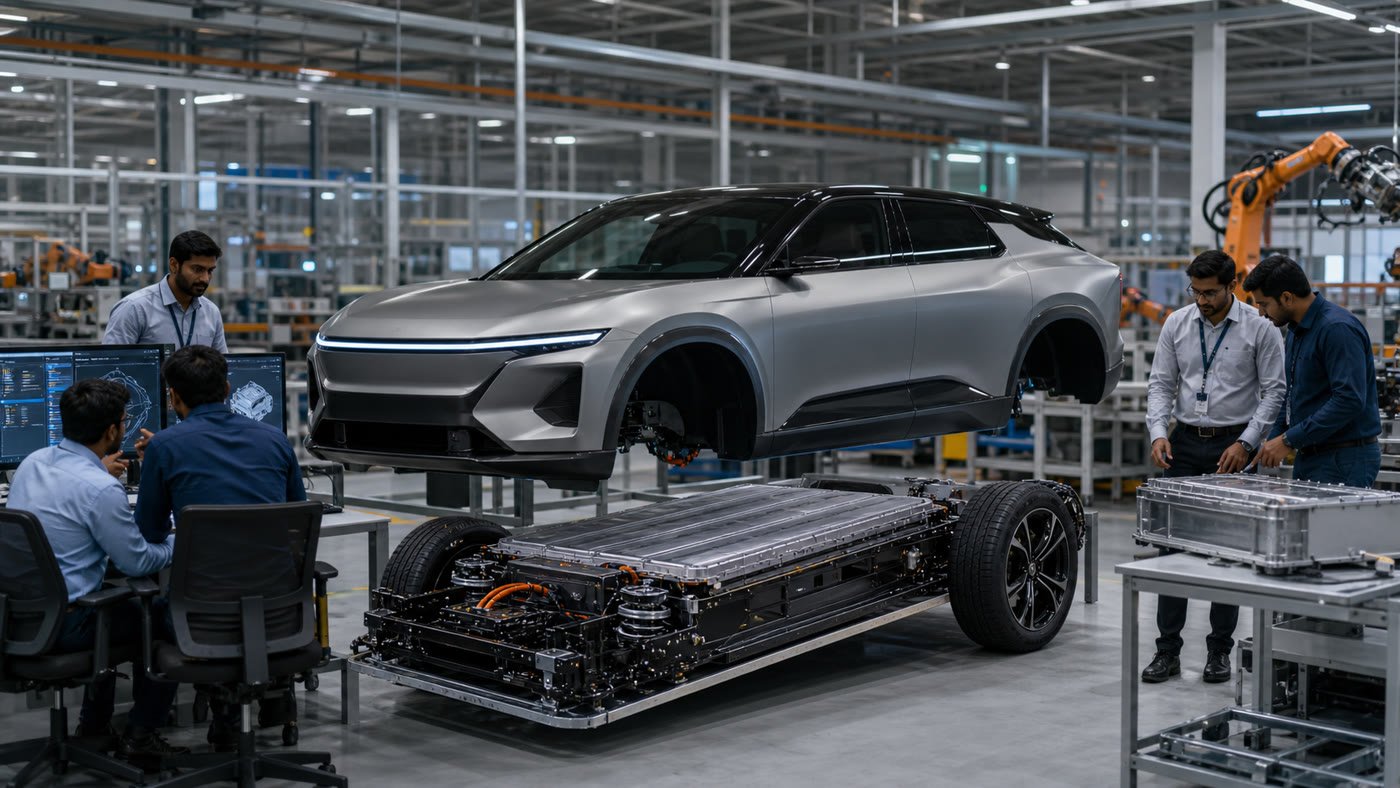
Tata Avinya Switches to CJLR Freelander Platform: Why the 2027 Premium EV Plan Matters
Tata Motors has made a major strategy change for its Avinya premium electric vehicle range. The first Avinya model planned for India in 2027 will now use the Freelander platform produced by CJLR, the Chery-Jaguar Land Rover joint venture, instead of the earlier expected Jaguar Land Rover EMA architecture. For FuelPrice readers, this is not just a product-development update. It is a signal about how quickly Indian automakers are willing to use global platform partnerships to make premium EVs viable on cost, timing and localisation.
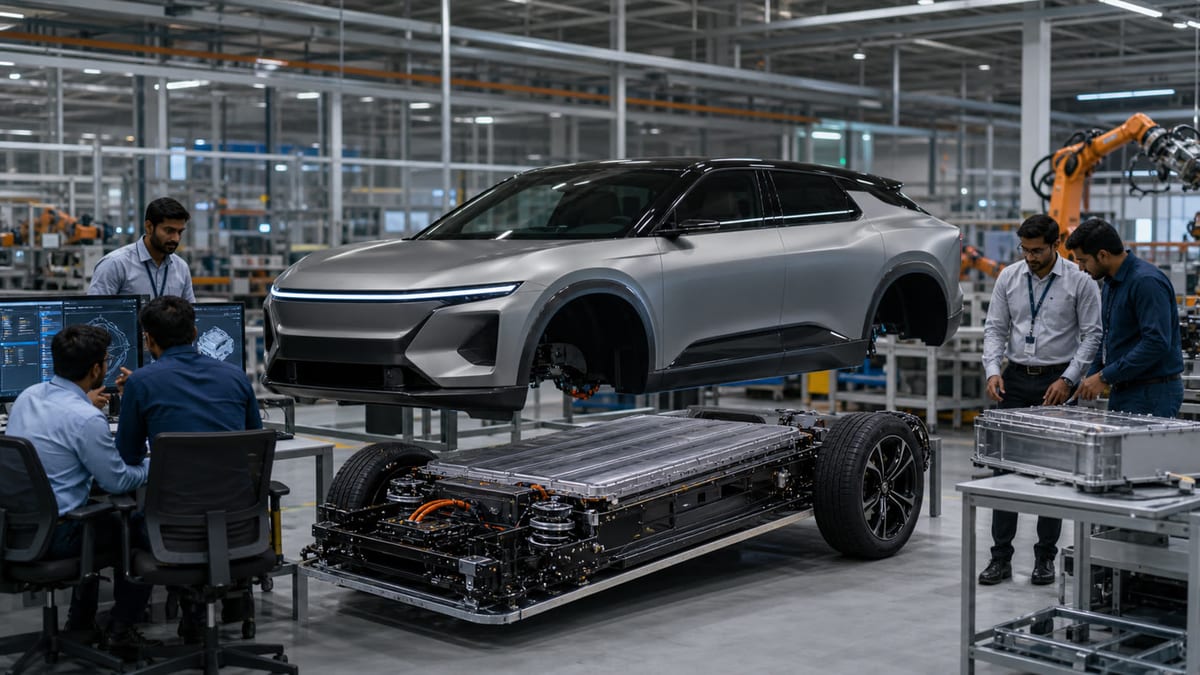
The company statement cited by multiple reports says the first Avinya vehicle to be launched in India in 2027 will leverage the Freelander platform produced by CJLR and will be made at the recently opened TMPV-JLR manufacturing facility in Panapakkam, Tamil Nadu. Tata has also positioned Avinya as a global premium EV brand to be built on multiple scalable platforms while staying anchored in Tata Motors design, engineering and integration capabilities.
Sponsored
What changed in Tata's Avinya roadmap
The earlier expectation was that Avinya would use JLR's Electrified Modular Architecture, widely referred to as EMA. That route now appears to have changed for the first model. Reports say the CJLR/Freelander path can make the product more competitive and bring it to market faster. The first model is expected in 2027, with the Avinya X likely to lead the programme. Reuters-linked reports also indicate a second EV could follow in 2029, with scope for additional vehicles later.
This matters because premium EVs need heavy upfront investment before a single car is sold. A dedicated platform affects battery packaging, crash structure, thermal management, software integration, charging capability, cabin space and manufacturing tooling. If an automaker spends too long adapting an expensive architecture, the market can move ahead before the product arrives. Tata's switch suggests speed and cost discipline have become central to the Avinya business case.
Why this is important for EV buyers
For a buyer, the platform name may sound remote. In practice, it shapes the ownership experience. A modern EV platform can support better range packaging, faster charging readiness, stronger cabin space efficiency and more stable ride dynamics. Reports around the Avinya X mention battery pack expectations in the 65 kWh to 80 kWh range, which would place the product in serious premium electric SUV territory if final specifications stay close to that band.
The second buyer-side impact is price positioning. Premium EVs in India face a difficult balance: they must offer enough technology to compete with global brands, but they cannot be priced so high that they remain niche. By using an existing CJLR-developed platform and assembling in Tamil Nadu, Tata may be trying to reduce development time while keeping localisation and supplier development in play. That could help the Avinya range compete not only on badge value, but on range, equipment, service network and total ownership cost.
| Avinya update | Reported detail | Why it matters |
|---|---|---|
| Platform | CJLR-produced Freelander platform | Can shorten development time and improve cost competitiveness. |
| Launch timing | First India model planned for 2027 | Keeps Tata in the premium EV race as competition grows. |
| Manufacturing | TMPV-JLR facility at Panapakkam, Tamil Nadu | Links the programme to local assembly and future localisation. |
The fuel and mobility angle
Avinya is a premium EV story, but it still has a fuel-market angle. Premium SUVs and crossovers are typically high-value, high-consumption vehicles when powered by petrol or diesel. If credible long-range EV alternatives become available in this bracket, they can shift a portion of urban and highway usage from liquid fuel to electricity. The effect will not be immediate at national fuel-demand scale, but it changes customer expectations in one of the most visible segments of the auto market.
The platform switch also affects India's EV supply chain. More premium EVs assembled in India can create demand for battery packs, electronics, thermal systems, charging components, software integration and high-voltage service skills. Even if early vehicles use imported kits or imported components, the long-term test is localisation. Local content can reduce currency risk, shorten supply chains and give buyers more confidence on parts and after-sales support.
Why Tata needs speed in premium EVs
Tata remains a major name in India's EV market, but competition is becoming sharper. Mahindra, JSW MG Motor, BYD, Hyundai, Kia, Mercedes-Benz, BMW and Tesla are all influencing buyer expectations in different EV price bands. The premium electric SUV space is especially strategic because it creates halo value: strong technology at the top can improve perception of the whole brand, even among buyers shopping lower down the range.
That is why the Avinya platform choice matters beyond one model. If Tata can launch the first Avinya in 2027 with credible range, charging performance, cabin quality and localisation, it can defend its EV leadership while moving into a more aspirational segment. If delays continue, competitors will use the gap to strengthen their own EV portfolios and charging ecosystems.
What to watch next
The next watchpoints are prototype testing, final body style, battery supplier decisions, local component sourcing, charging capability, software stack and price positioning. Buyers should also watch whether Tata explains warranty, service readiness and high-voltage repair capability early enough. In premium EVs, product excitement is not enough; buyers need confidence that the car can be serviced, charged and supported over many years.
The reader takeaway is straightforward: Tata's Avinya platform switch is a pragmatic move to get a delayed premium EV plan back on track. It may involve more cross-border technology dependence in the short term, but it can also speed up launch timing, support local assembly and make premium electric SUVs more realistic for Indian buyers. The real test will arrive in 2027, when Tata must convert the platform reset into a convincing product.
Sources
- Autocar Professional, 3 June 2026: Tata Motors first Avinya model to use CJLR Freelander platform
- NDTV Auto, 4 June 2026: Avinya range platform and 2027 launch update
- Moneycontrol/Reuters, 3 June 2026: Tata taps Chery platform for premium EV push
- MarketScreener/Reuters, 3 June 2026: India EV platform and Tamil Nadu production details