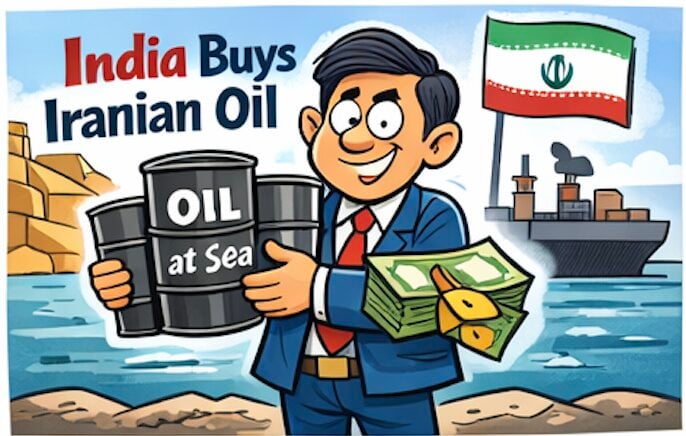
India Fuel Market Stays Alert as War Risk Meets Rupee Pressure and Import Bills

Even with oil off its peak, India remains exposed through imported crude costs, shipping disruption and rupee sensitivity tied to the Gulf conflict.

India Fuel Market Stays Alert as War Risk Meets Rupee Pressure and Import Bills

India may not be firing missiles, but it still gets the invoice. The combination of Gulf war risk, shipping disruption and currency pressure keeps India's fuel market on alert even after crude retreated from its worst panic levels. A softer Brent price helps, but it does not erase the import vulnerability that comes with being a major buyer of overseas oil.

The immediate concern is not only the headline crude number. It is the full chain: tanker routes, freight costs, refinery sourcing, waiver windows, and the rupee's ability to absorb another round of external shock. That is why every truce rumor, waiver notice and Hormuz update now matters to Indian consumers. Fuel pricing may look domestic at the pump, but right now it is being negotiated by geography, diplomacy and nerves.

  • India remains exposed to imported crude risk.
  • Shipping and currency stress still matter even after oil cools.
  • Any fresh Gulf disruption can quickly hit transport and fuel sentiment.

Watch: CNBC-TV18: Oil, LPG Prices, Nifty & Sensex War Impact

Related Fuel News

More updates you might want to read next.

India's ATF Fund And 10% Jet Fuel Hike: What It Means For Air Fares

India has approved a Rs 10,000 crore ATF Price Stabilisation Fund, but domestic jet fuel has also been raised by 10% under a new three-year pricing regime. FuelPrice explains what that combination means for airlines, fares, route economics and mobility costs for passengers.

Noida Airport Opens With Road-Heavy Access: Why EV Bus Rollout Still Matters

Noida International Airport has begun commercial operations, but launch-week access is still largely road-led for NCR travellers. FuelPrice explains what the cab-heavy ground reality, official EV taxi options, and the 45 electric plus 3 hydrogen bus rollout mean for travel cost, congestion and cleaner airport mobility.